GREVISION / BUSINESS SOFTWARE
Connect the records your teams need to get work done.
Hire Grevision to develop an operational application or agreed ERP module around the way your business works. Start with one process and the records that move between people: an order, a scheduled task, a payment or a stock adjustment. We examine the existing systems before proposing new software, so the first delivery has a clear purpose and an identified source of truth.
Map the workflow before choosing features
- 01
Identify the record
Choose the order, job or transaction that connects your teams. Define required information, its owner and the system in which it is created. Shared terminology prevents different departments from maintaining conflicting versions of the same record.
- 02
Agree the handover
Describe what makes a record ready for the next person, who approves a change and how exceptions are handled. Statuses, notifications and permissions follow this workflow rather than a generic list of modules.
- 03
Review the operation
Specify the information a supervisor needs to check completed work, outstanding actions and data quality. Agree report definitions and export formats, then decide which tasks belong in the first version and which remain in existing tools.
Define a useful first release
Operational modules
Plan order handling, scheduling, purchasing, stock or other agreed processes. We define module boundaries and acceptance conditions with the people responsible for the work. A focused application can be appropriate without replacing every existing business system.
Shared records and permissions
Define users, roles and the fields each team can view or change. Discuss important data relationships and the records needed to understand a change. Access and retention requirements are considered in the proposed design.
Integration and migration
Identify the authoritative source for each data set. We review existing APIs, exports and data quality before agreeing a connection or migration. Reconciliation, test data and responsibilities for sign-off belong in the delivery plan.
Growth and ongoing support
Discuss expected users, operating periods and future modules without assuming a particular enterprise architecture. Hosting, backups, updates and support responsibilities are agreed for the engagement. Product-specific certification or implementation partnerships are not implied.
Relevant work you can inspect
These portfolio examples show specific interfaces and documented capabilities. The scope of your application is agreed separately.
Te Lisi
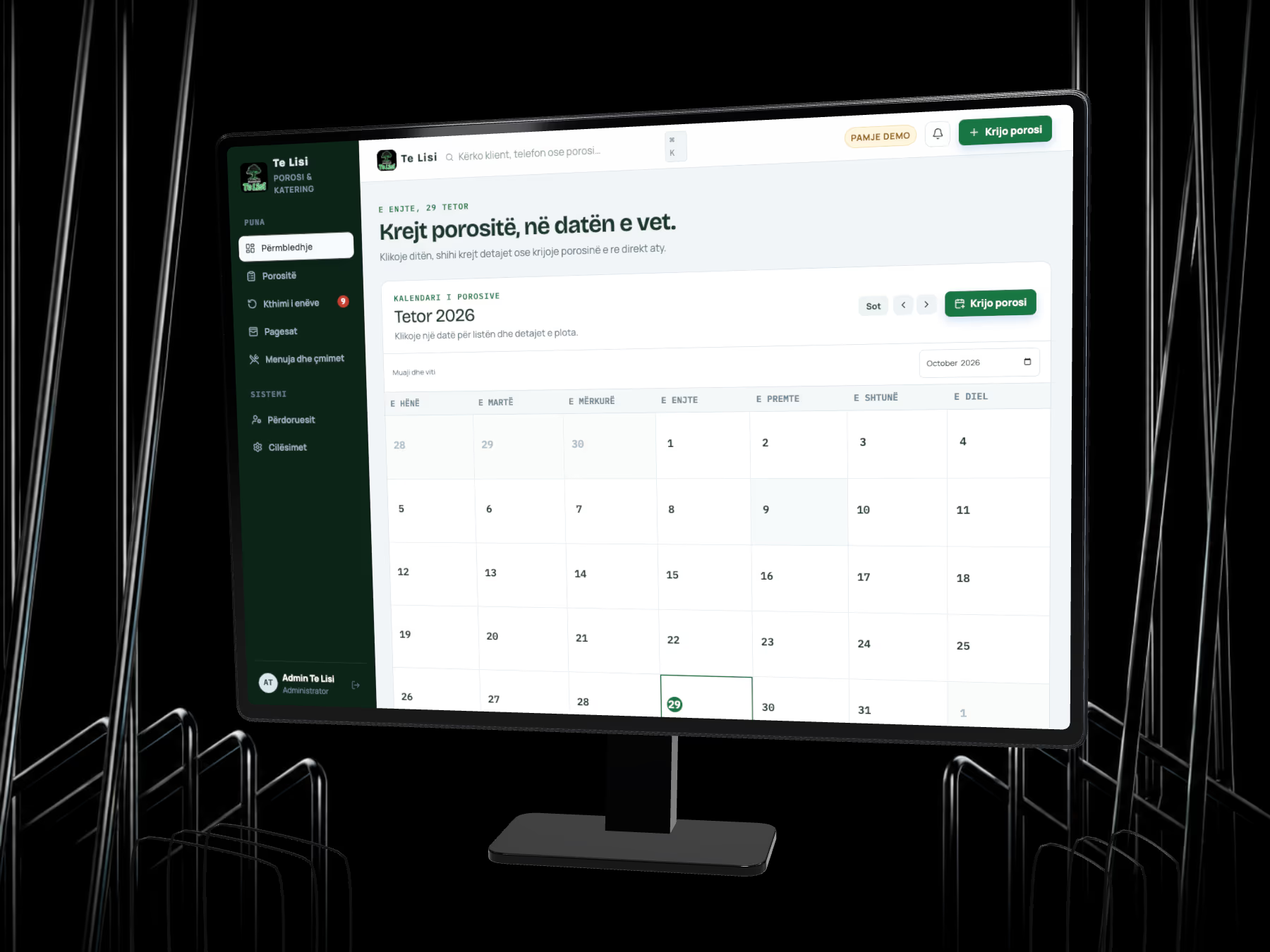
Te Lisi brings catering orders, calendars, payment records and returnable dish tracking into one business application context. Its documented stack includes Next.js and React with a separate React Native and Expo mobile application. The phone preview shows the responsive web interface. This is evidence of specific operational workflows, rather than a claim to a complete ERP product suite.
Next.js · React Native · React · Expo
Inspect project interfaces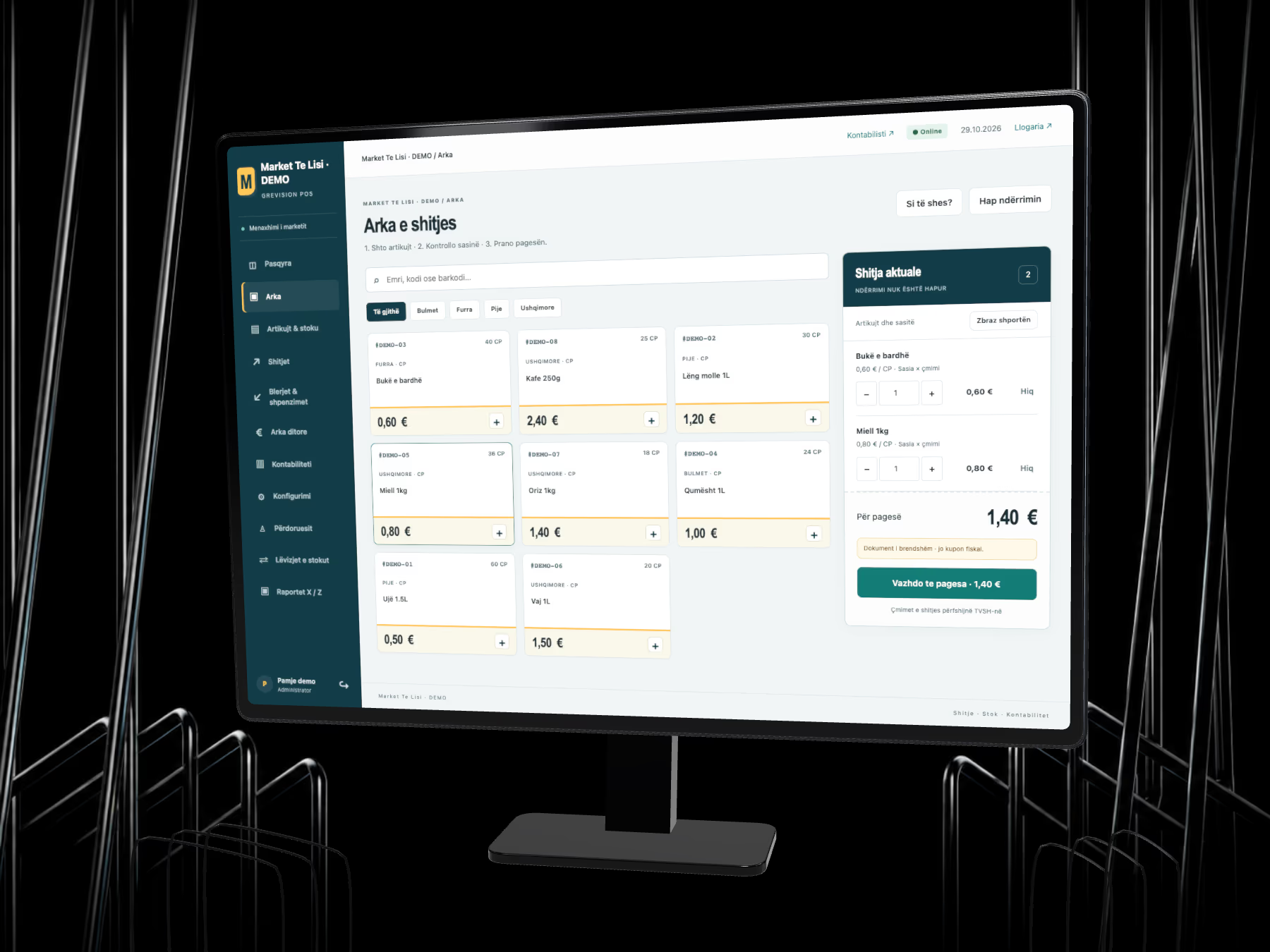
Market Te Lisi POS
Market Te Lisi POS connects sales, product and stock management with purchases, expenses and accounting views. Review those records as an example of related business functions in one application. The local demonstration uses fictional grocery items; it does not establish an integration with your existing ERP or statutory accounting system.
Python · Django · JavaScript · Windows
Inspect project interfacesBring these questions to the first conversation
An existing spreadsheet, a sample record or a short demonstration can help explain the work. Start with non-sensitive examples; access to live systems is agreed when needed.
- Which process should the first version improve and who owns it?
- Where is the authoritative data for each record held today?
- Which roles, approvals and exceptions must the application support?
- How will your team check migrated data and accept the delivered work?
Agree the delivery and the handover
The proposal defines the functions, responsibilities, review points and acceptance conditions. We discuss existing data, account ownership, hosting and third-party services before implementation. Migration, specialised devices, additional language versions and ongoing development enter the scope only when agreed.
Handover can include the agreed source access, deployment information, editing or operating guidance and a support plan. Ownership, confidentiality, payment, support hours and any warranty terms follow the project agreement. Send your requirements to discuss the scope, schedule and a negotiable project quote.
Discuss this projectRelated development services
Take a project brief to your next conversation
Download an editable brief with scope and supplier questions. Use it with your team, then send us the requirements you want to discuss.
Editable text file · No registration
Discuss your business software
Describe the people, the process and the systems involved. Mention the example closest to your requirements so we can prepare a focused conversation.
Pricing is negotiable for each project. We agree the quote after discussing your requirements and the scope of work.
ERP Development Services for Business Workflows
info@grevision-ks.com