GREVISION / BUSINESS SOFTWARE
Connect transport information, reservations and operating work.
Hire Grevision for the web application, service website or operational workflow your transport business needs. We start with the journey or reservation and the people responsible for it. Discuss which information belongs on the public website, which decisions staff make internally and where existing tools hold the source data. The first delivery solves an agreed task while retaining the existing systems that your business needs.
Map the workflow before choosing features
- 01
Present the service
Agree how routes, journeys, vehicles, locations and service conditions are maintained. Establish who approves changes and how visitors find the information relevant to their enquiry or reservation.
- 02
Handle the request
Describe the steps from enquiry to confirmed booking. Define required information, availability decisions, confirmation messages and the staff member responsible for exceptions. Agree which decisions can be automated and which require staff approval.
- 03
Coordinate the next action
Identify the operational record that follows a confirmed request. Discuss handovers between the website, the office and any existing management system. Agree statuses, permissions and interfaces before implementing a connection.
Define a useful first release
Customer-facing websites and portals
Plan clear service pages, language versions and enquiry routes. A portal can be scoped when repeat clients need access to agreed information or actions. Content ownership and the source of route or vehicle data are defined first.
Reservations and internal workflows
Specify the information staff need to accept, change or cancel a request. We discuss shared records, review screens and notifications around that task. Capacity rules and their source must be explicit before automation is agreed.
Data and system connections
Review available exports, APIs and data ownership in existing tools. Vehicle tracking, dispatch, warehouse systems and carrier interfaces can have distinct integration requirements. Their feasibility and responsibility are assessed for the proposed engagement.
An operating model that fits
Explain who uses a phone, a computer or a shared workstation, and where connectivity may be limited. Device support, mobile applications and offline requirements are planned separately where the workflow needs them.
Relevant work you can inspect
These portfolio examples show specific interfaces and documented capabilities. The scope of your application is agreed separately.
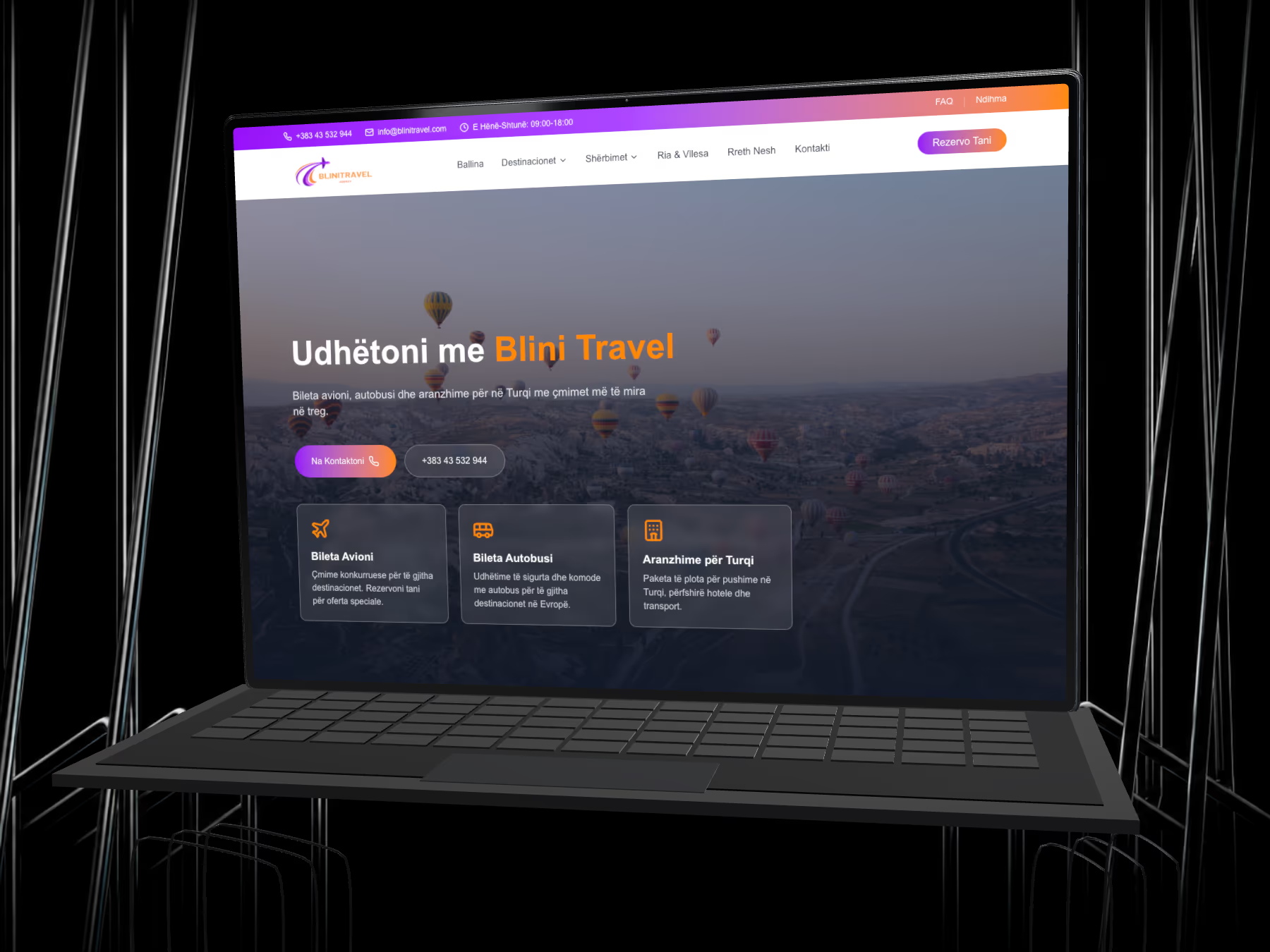
Blini Travel
Blini Travel is a Next.js and React website presenting bus journeys, routes and ticket information. Its public-facing desktop and phone interfaces show how a transport offering can be organised. Inspect the service information and navigation to discuss the public presentation of your own transport business.
Next.js · React
Inspect project interfaces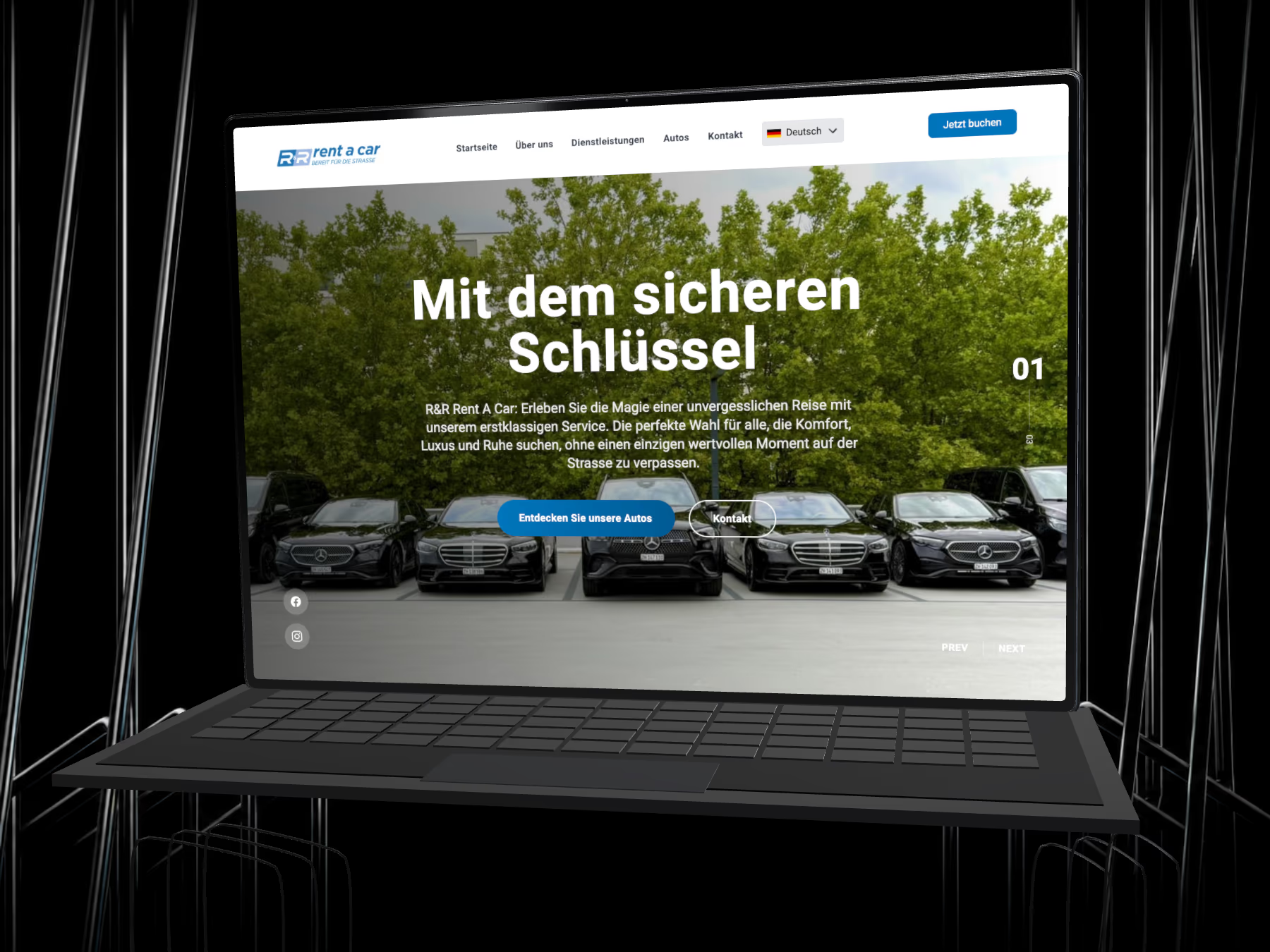
R&R Rent A Car
R&R Rent A Car presents vehicles, locations and reservation options through a Next.js and React website. Inspect the rental information and responsive interface as a reference for a service website. Booking automation, payment processing and internal fleet functions for a new project require their own agreed scope.
Next.js · React
Inspect project interfacesBring these questions to the first conversation
An existing spreadsheet, a sample record or a short demonstration can help explain the work. Start with non-sensitive examples; access to live systems is agreed when needed.
- What happens between the first enquiry and a confirmed service?
- Which tool holds the authoritative availability, vehicle or route information?
- Who needs to update a booking or resolve an exception?
- Which existing data formats, APIs and access permissions are available?
Agree the delivery and the handover
The proposal defines the functions, responsibilities, review points and acceptance conditions. We discuss existing data, account ownership, hosting and third-party services before implementation. Migration, specialised devices, additional language versions and ongoing development enter the scope only when agreed.
Handover can include the agreed source access, deployment information, editing or operating guidance and a support plan. Ownership, confidentiality, payment, support hours and any warranty terms follow the project agreement. Send your requirements to discuss the scope, schedule and a negotiable project quote.
Discuss this projectRelated development services
Take a project brief to your next conversation
Download an editable brief with scope and supplier questions. Use it with your team, then send us the requirements you want to discuss.
Editable text file · No registration
Discuss your business software
Describe the people, the process and the systems involved. Mention the example closest to your requirements so we can prepare a focused conversation.
Pricing is negotiable for each project. We agree the quote after discussing your requirements and the scope of work.
Logistics and Transport Software Development
info@grevision-ks.com