GREVISION / TECHNOLOGY DECISIONS
React Native or Flutter for your mobile product?
Begin with the journeys your users need on a phone: finding information, completing a task and recovering when something goes wrong. Then list the devices, platform services and existing systems involved. React Native and Flutter both support shared application work across platforms, but the right choice depends on your product and the team that will maintain it. A shared codebase does not remove device testing or guarantee a fixed percentage of savings.
Compare the project requirements
| Decision | React Native | Flutter |
|---|---|---|
| Team and code | Evaluate the fit with an existing React and JavaScript/TypeScript team. | Evaluate the fit with a Dart codebase and Flutter's widget approach. |
| Platform differences | Use platform checks or separate platform files where behaviour differs. | Review adaptive layouts and the platform-specific work your product needs. |
| Device services | Check available libraries and any native-module work for required APIs. | Check plugins and any platform integrations that need to be implemented. |
| Release ownership | Agree iOS/Android builds, signing, store access and device coverage. | Agree the same release responsibilities and test the target platforms. |
The linked documentation describes platform capabilities. The planning questions and recommendations below are Grevision's guidance for discussing your project.
Start with the difficult device requirement
Bring the feature that could determine the architecture: background behaviour, a scanner, maps, media, notifications or an existing native SDK. We inspect its requirements and investigate the supported integration before committing to the rest of the interface. If a library is involved, include its maintenance, license and platform support in the discussion. A prototype can clarify an uncertain integration without treating the whole product as an experiment.
Compare the work around each screen
The interface is one part of a mobile product. Specify login, permissions, API contracts, loading and error states, accessibility and account lifecycle. If work must continue without a connection, define what is stored locally, how conflicts are resolved and what happens after reconnecting. These are requirements to scope and verify for your application, not features we assume are already supplied by either framework.
Make releases and handover explicit
Identify who supplies Apple and Google developer accounts, test devices and approved content. Discuss beta review, release approval, signing access and maintenance after launch. If you already have a mobile application, begin with its source, libraries and current build process. Compare extending the existing product with rebuilding it before accepting the disruption of a technology change.
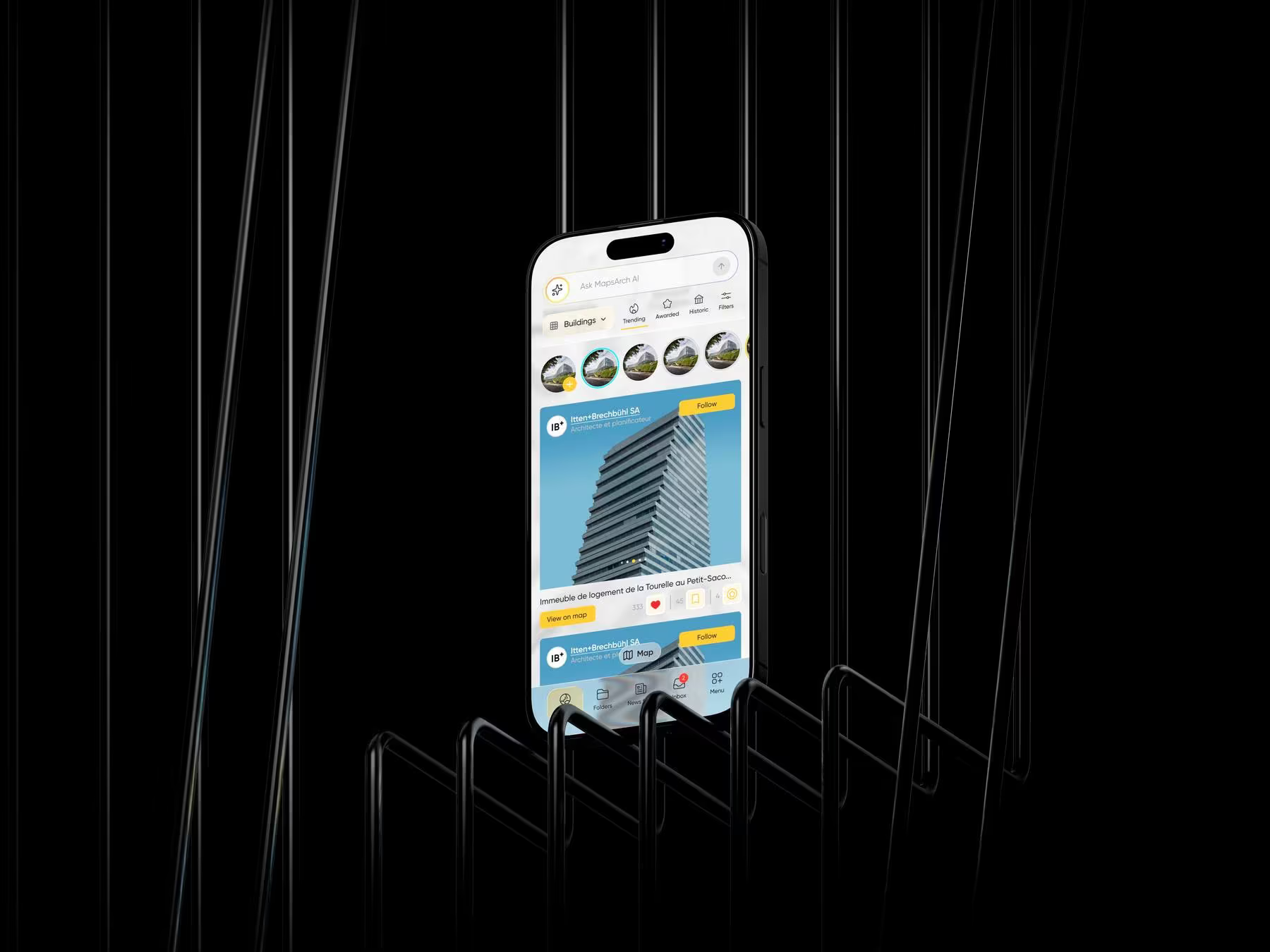
Inspect a relevant project
Mapsarch in our portfolio includes React Native mobile interfaces alongside a web product. The case study describes the contribution and visible implementation scope. Inspect the screens as a relevant example; they do not establish Flutter delivery or measured savings for your project.
MapsarchCompare the work included in each proposal
A platform name does not define a complete offer. Compare the same user journeys, content, language versions, integrations and acceptance conditions. Identify the work your team will supply, including approved text, assets, test data and access to existing systems. A useful proposal separates the first release from later improvements and makes open questions visible.
Agree how the product will be operated
Before development, agree who owns the hosting accounts, release decisions and maintenance requests. Clarify repository access, deployment, documentation and the handover expected by your team. Third-party services, licenses, subscriptions and ongoing support need their own responsibilities and scope. Pricing is negotiable for each project after we review the requirements; this comparison is not a quotation or a savings forecast.
Take a project brief to your next conversation
Download an editable brief with scope and supplier questions. Use it with your team, then send us the requirements you want to discuss.
Editable text file · No registration
Discuss your technology choice
Share the product you want to build, the systems you already use and the constraint that matters most. We can discuss the tradeoffs, agree what needs investigation and prepare a project proposal.
Pricing is negotiable for each project. We agree the quote after discussing your requirements and the scope of work.
React Native vs Flutter for Mobile Products
info@grevision-ks.com